
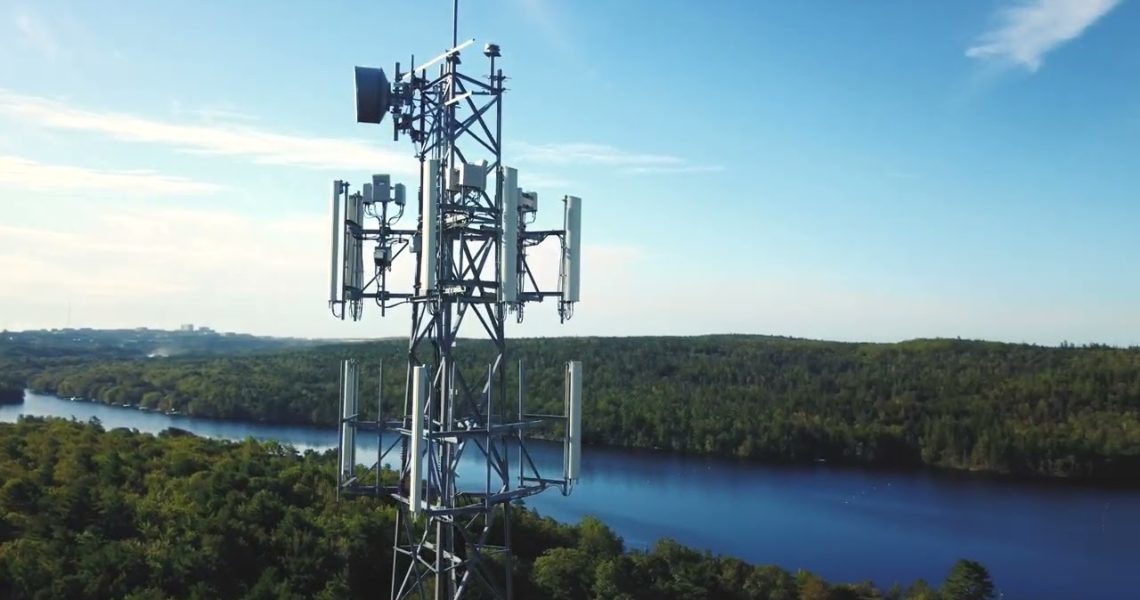
Cell phone towers play a crucial role in the modern telecommunications landscape, facilitating wireless communication for millions of users. As demand for mobile services continues to rise, site owners—ranging from private landowners to commercial property managers—are presented with unique opportunities to lease their land to telecommunications companies. This lease arrangement not only provides a steady stream of passive income but also supports the expansion of essential infrastructure that keeps people connected in an ever-evolving digital world.
Navigating the intricacies of cell phone tower leases can be daunting, however, as it involves various legal, financial, and technical considerations. Understanding the terms of the lease agreement, negotiating favorable rates, and assessing location viability are vital steps for property owners looking to maximize their benefits. In this article, we will explore the key aspects of cell phone tower leases, providing insights into the leasing process, potential challenges, and tips for securing a successful deal.
Understanding Lease Agreements
Navigating a cell phone tower lease agreement requires a thorough understanding of its terms and conditions. Property owners must carefully review key components such as lease duration, rental rates, and escalation clauses. It’s crucial to understand the potential for future rent increases tied to market rates or consumer demand. Additionally, ensuring that the contract includes provisions for maintenance and potential site modifications can prevent misunderstandings down the line. For those considering a long-term commitment, exploring options for cell phone tower lease buyouts can also provide significant financial advantages, allowing landowners to secure a lump sum payment rather than ongoing lease payments.
Maximizing Benefits and Mitigating Risks
In addition to understanding the lease’s specifics, property owners should research the telecommunications market and the particular needs of potential lessees. Identifying strategic locations that are in demand can significantly increase negotiation power. However, it’s equally important to be aware of the risks involved, such as site decommissioning or changes in technology that may affect lease viability. Utilizing professional guidance can aid in navigating this complex process, ensuring that property owners not only maximize their income but also protect their property interests in an ever-changing industry.
In conclusion, entering into a cell phone tower lease agreement can be a lucrative venture for property owners, offering not only a reliable income stream but also contributing to the broader infrastructure necessary for modern communication. By thoroughly understanding the terms of the lease, staying informed about market trends, and strategically negotiating favorable terms, owners can maximize their benefits while minimizing risks. Furthermore, seeking expert advice and remaining adaptable to technological shifts will empower landowners to make informed decisions that align with their long-term financial goals. Ultimately, a well-negotiated cell phone tower lease can serve as a valuable asset, enhancing both the owner’s financial landscape and the connectivity of the communities they serve.
