
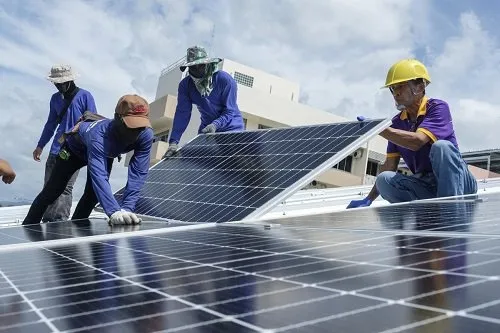
Solar panels have revolutionized the way we harness and utilize the sun’s abundant energy. With growing concerns over climate change and the need for clean, renewable energy sources, solar panels have emerged as a viable solution. These photovoltaic (PV) devices have become increasingly popular due to their ability to convert sunlight into electricity, making them an attractive option for both residential and commercial use. After reading the introductory guide, be sure to check out our advanced tutorials to discover further tips and tricks.
The principle behind solar panels is simple yet powerful. Made up of multiple solar cells, these panels work by capturing photons from the sun and converting them into electricity through the photovoltaic effect. This involves the absorption of sunlight by the solar cells, which then generates an electric field that allows electrons to flow and produce direct current (DC) electricity. This electricity can then be used to power homes, buildings, and even entire communities, significantly reducing our reliance on fossil fuels and lowering carbon emissions in the process.

Benefits of Solar Panels
Solar panels are a sustainable energy solution that can bring numerous benefits to both homeowners and the environment. One of the primary advantages of solar panels is the potential for significant cost savings. By harnessing the power of the sun, households can generate their electricity and reduce their reliance on the traditional power grid, resulting in lower energy bills. In addition to the financial benefits, solar panels also have a positive impact on the environment by reducing greenhouse gas emissions and dependence on fossil fuels. They offer a clean and renewable energy source that helps combat climate change and air pollution.
Solar panels not only provide economic and environmental benefits but also contribute to energy independence. With solar power, homeowners and businesses can generate their electricity, making them less reliant on the traditional power grid and vulnerable to fluctuations in energy prices. This level of self-sufficiency gives individuals and communities more control over their energy consumption and helps to diversify our energy sources. Moreover, solar panels require minimal maintenance and have a long lifespan, making them a reliable and sustainable investment. As technology continues to improve and costs decrease, solar panels are becoming more accessible and affordable, paving the way for a cleaner and more sustainable future.
