
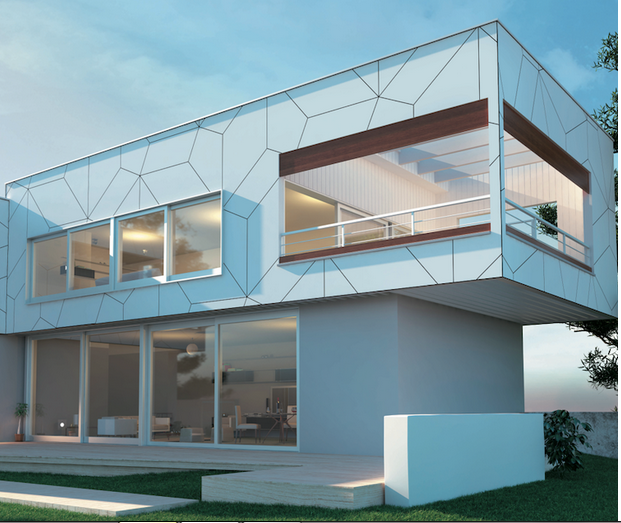
Cladding is a crucial architectural element that not only enhances the aesthetic appeal of a building but also provides protection and insulation. It refers to the application of one material over another to create a skin or layer on the exterior of a structure. Cladding can be made from a variety of materials such as wood, metal, stone, glass, and composite materials.
The choice of cladding material can significantly impact the overall look and performance of a building. In addition to adding visual interest, cladding also serves practical purposes such as weatherproofing, sound insulation, and energy efficiency. This article will delve into the different types of cladding materials, their advantages and disadvantages, as well as explore innovative techniques in cladding design.

Types of Cladding Materials
There are several types of cladding materials available in the market, each with its unique characteristics and benefits. Wood cladding, for example, is a popular choice due to its natural aesthetic appeal and versatility. Metal cladding, on the other hand, offers durability and a modern look. Stone cladding provides a timeless elegance, while glass cladding allows for transparency and light infiltration. Composite materials combine the advantages of different materials to offer a more versatile and durable solution. To learn more about the various types of cladding materials and their suitability for different architectural styles, visit Realty Times.
Innovative Techniques in Cladding Design
Advancements in technology have led to the development of innovative techniques in cladding design, pushing the boundaries of what is possible in architectural aesthetics. One such technique is 3D cladding, which creates dynamic visual effects through the use of three-dimensional patterns and shapes. Another innovative approach is the integration of smart cladding systems that can adjust their properties based on environmental conditions. By exploring these cutting-edge techniques, architects and designers can create striking facades that not only enhance the overall appeal of a building but also improve its performance and sustainability.
In conclusion, cladding plays a vital role in the aesthetics, protection, and insulation of buildings. The choice of cladding material can greatly impact the overall look and performance of a structure, with options ranging from wood and metal to stone, glass, and composite materials. Advancements in cladding design, such as 3D cladding and smart cladding systems, have pushed the boundaries of architectural aesthetics, allowing for striking facades that offer not only visual appeal but also improved performance and sustainability. With the evolution of innovative techniques in cladding design, architects and designers are empowered to create buildings that are not only visually stunning but also functional and environmentally conscious.
