
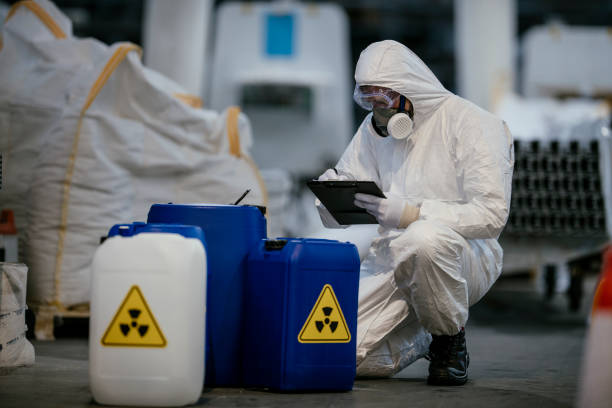
Hazardous waste disposal is an imperative aspect of environmental management, aimed at reducing the potential harm posed by various toxic materials and substances. It involves the proper handling, treatment, storage, and disposal of waste products that have the potential to threaten human health and the environment. The need for effective hazardous waste disposal methods is particularly crucial due to the increasing industrialization and the continuous production of hazardous materials that result in both immediate and long-term adverse impacts.
Proper disposal of hazardous waste not only helps mitigate risks associated with pollution but also ensures compliance with regulatory standards set by government bodies. This article delves into the various aspects of hazardous waste disposal, highlighting the importance of employing appropriate techniques for managing these potentially harmful substances. It explores different methods used for handling and disposing of hazardous waste, along with the challenges faced in this field and the measures taken to address them. Additionally, the article emphasizes the significance of promoting sustainable practices to minimize hazardous waste generation and contribute to a greener, safer environment.
Methods of Hazardous Waste Disposal
There are several methods used for hazardous waste disposal, each designed to minimize the impact of these potentially harmful substances on humans and the environment. One common method is landfilling, where hazardous waste is safely contained in specially engineered landfills. These landfills are constructed with multiple layers of impermeable liners and leachate collection systems to prevent the migration of hazardous materials into groundwater or nearby ecosystems. Landfilling provides a secure long-term solution for disposing of hazardous waste, but it requires careful selection of the site and ongoing monitoring to ensure compliance with environmental regulations.
Another method of hazardous waste disposal is incineration. This involves subjecting the waste to high temperatures in specially designed incinerators, which combusts the materials and reduces them to ash. Incineration is an effective method for destroying certain hazardous substances, such as chemical solvents and medical waste. However, it can release air pollutants and greenhouse gases if not properly controlled. To mitigate these risks, modern incinerators are equipped with sophisticated air pollution control systems that remove harmful emissions before they are released into the atmosphere.
Regardless of the disposal method used, it is essential to implement proper hazardous waste management practices. For instance, companies and individuals in Port St. Lucie can rely on professional hazardous waste disposal services like Hazardous waste disposal Port St. Lucie to ensure safe removal and handling of their hazardous waste. These experts have the knowledge and experience to identify, categorize, and dispose of various types of hazardous materials in accordance with local regulations and best practices.
Challenges and Solutions in Hazardous Waste Disposal
Despite advances in hazardous waste management, there remain challenges in effectively disposing of these materials. One significant challenge is the lack of public awareness and understanding regarding the proper handling and disposal of hazardous waste. Many individuals and businesses may not realize the potential risks associated with improper disposal, leading to the inappropriate dumping or mixing of hazardous materials with regular trash.
To address this issue, education and outreach programs are crucial in raising awareness about the importance of responsible hazardous waste disposal. Government agencies, environmental organizations, and waste management companies can collaborate to educate the public and provide guidance on proper waste disposal practices. This includes informing residents and businesses in Port St. Lucie about the hazards of certain materials, how to identify them, and the available resources for safe disposal.
Furthermore, promoting sustainable practices that minimize hazardous waste generation is essential. This involves encouraging businesses to adopt alternative production methods that reduce or eliminate the use of hazardous materials. Additionally, implementing recycling programs for certain types of hazardous waste can help reduce the overall volume of waste requiring disposal. By incorporating these measures, Port St. Lucie and other communities can move towards a greener, safer environment while effectively managing hazardous waste.
In conclusion, hazardous waste disposal plays a crucial role in protecting human health and the environment from the potential harm posed by toxic materials. It is important to employ proper handling, treatment, storage, and disposal techniques to mitigate pollution risks and comply with regulatory standards. Landfilling and incineration are common methods used for hazardous waste disposal, but careful site selection and monitoring are necessary for their effectiveness. Challenges in hazardous waste disposal include a lack of public awareness and understanding, which can lead to improper disposal practices. To address this, education and outreach programs are essential in raising awareness and providing guidance on responsible waste disposal. Promoting sustainable practices that minimize hazardous waste generation also contributes to a greener and safer environment. With proper management practices, communities can effectively handle hazardous waste while moving towards a more sustainable future.
