
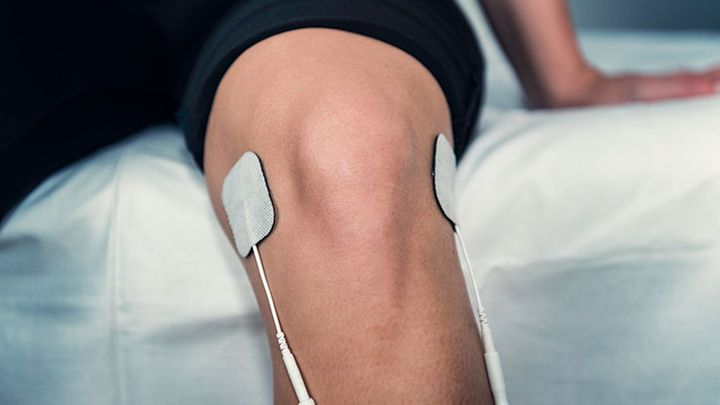
Many people experience knee pain and discomfort due to various reasons, such as overuse injuries, arthritis, or muscle imbalances. While there are several treatment options available, one effective and non-invasive method is knee massage. This form of therapy involves applying pressure and manipulating the muscles and soft tissues around the knee to promote relaxation, reduce pain, and improve flexibility.
Whether you are an athlete recovering from a sports injury or an individual struggling with chronic knee discomfort, incorporating regular knee massages into your routine can be highly beneficial. Not only does it help alleviate pain by increasing blood flow and reducing inflammation in the area, but it also helps restore proper joint alignment and range of motion. This article will delve into the various benefits of knee massage, explore different techniques that can be used, and provide tips for giving yourself a knee massage at home.
The Benefits of Knee Massage
Knee massage offers a wide range of benefits for individuals experiencing knee pain and discomfort. One of the key advantages is its ability to increase blood flow to the area. By applying pressure and manipulating the muscles and soft tissues around the knee, knee massage helps improve circulation, which can promote healing and reduce inflammation. This increased blood flow also helps to flush out toxins and waste products from the area, further aiding in the recovery process. Additionally, knee massage can help restore proper joint alignment and range of motion, which is particularly beneficial for individuals with muscle imbalances or postural issues that contribute to their knee pain. Regular knee massage can also help relax tight muscles, reduce muscle spasms, and alleviate tension in the surrounding tissues. learn more about how incorporating a knee massager into your routine can enhance the benefits of knee massage.
Techniques for Knee Massage at Home
While professional massages can be beneficial, it’s also possible to perform knee massage at home. One simple technique that can be done is known as effleurage. This involves gentle stroking motions over the surface of the knee, starting from the top and moving downward. Effleurage helps warm up the tissues and prepares them for deeper manipulation. Another technique is friction massage, which involves using circular motions with the fingertips or palm of the hand to apply pressure to specific areas around the knee. This can help break up scar tissue and adhesions, relieving pain and improving mobility. It’s important to apply firm pressure during these techniques but avoid causing excessive pain or discomfort. If you’re unsure about how to perform knee massage at home, it may be helpful to consult with a healthcare professional or consider using a knee massager device.
In conclusion, knee massage is a highly beneficial and non-invasive treatment option for individuals experiencing knee pain and discomfort. It helps increase blood flow, reduce inflammation, restore joint alignment and range of motion, relax tight muscles, reduce muscle spasms, and alleviate tension. Incorporating regular knee massages into your routine can provide significant relief and improve overall knee health. Techniques such as effleurage and friction massage can be easily performed at home, but it’s important to apply firm pressure without causing excessive pain or discomfort. Consulting with a healthcare professional or considering the use of a knee massager device can also be beneficial for proper guidance and enhanced results.
