
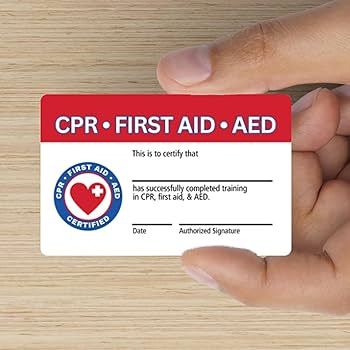
Basic Life Support (BLS) certification is a crucial training program that equips individuals with the necessary skills to respond effectively in emergency situations relating to cardiac arrest and other life-threatening events. This certification is typically required for healthcare professionals, first responders, and individuals working in certain industries where the risk of sudden cardiac arrest is high.
Obtaining BLS certification involves completing a course that covers CPR techniques, the use of an automated external defibrillator (AED), and other lifesaving interventions. With BLS certification, individuals can confidently and competently provide immediate assistance to those in need, potentially saving lives in the process. In this article, we will delve into the importance of BLS certification, the training process, and the impact it can have on both individuals and the community.
The Importance of BLS Certification
BLS certification is critical for healthcare professionals, first responders, and individuals in high-risk industries as it provides the necessary skills to respond effectively to life-threatening emergencies. By completing a BLS course, individuals learn essential techniques such as CPR and the use of an automated external defibrillator (AED) to provide immediate assistance in critical situations. This training equips individuals with the confidence and competence to intervene swiftly, potentially saving lives. For those seeking bls certification phoenix, it is essential to recognize the importance of being prepared to act decisively in emergency situations.
The Impact of BLS Certification
The impact of BLS certification extends beyond individual readiness to respond to emergencies; it also benefits the community at large. With more certified individuals in various workplaces and public spaces, the chances of receiving timely and effective assistance in case of cardiac arrest or other life-threatening events increase significantly. This creates a safer environment for everyone, promoting a culture of preparedness and proactive response to emergencies. Investing in BLS certification not only enhances personal skills but also contributes to building a resilient and responsive community.
In conclusion, BLS certification is not just a valuable credential for individuals in healthcare and high-risk industries; it is a vital tool that can make a difference in emergency situations. By completing a BLS course, individuals gain the skills and confidence to intervene promptly and effectively, potentially saving lives. The impact of BLS certification goes beyond individual preparedness; it extends to creating a safer community where more people are equipped to respond to emergencies. By investing in BLS certification, individuals contribute to building a resilient and responsive community that is better prepared to handle life-threatening events.
